
Free Government Certification Courses You Can Join Today for a Better Future
In today’s competitive world, it is as important to acquire skills as it is to get a degree. There are many students, graduates, and job seekers who are eager to get skills and knowledge that can help them advance their careers without incurring a huge cost. Free government certification courses are providing a way for people to get skill-based training that can help them build a successful career without any cost.
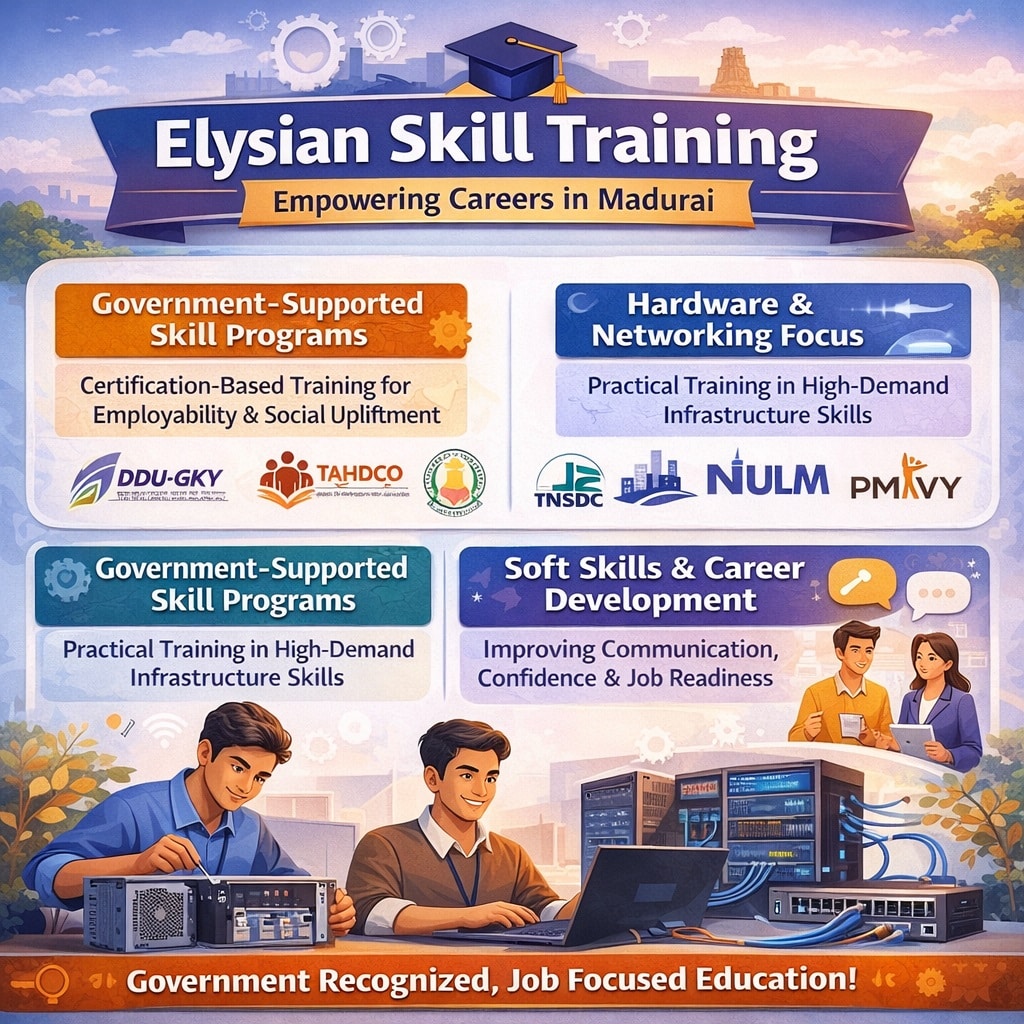
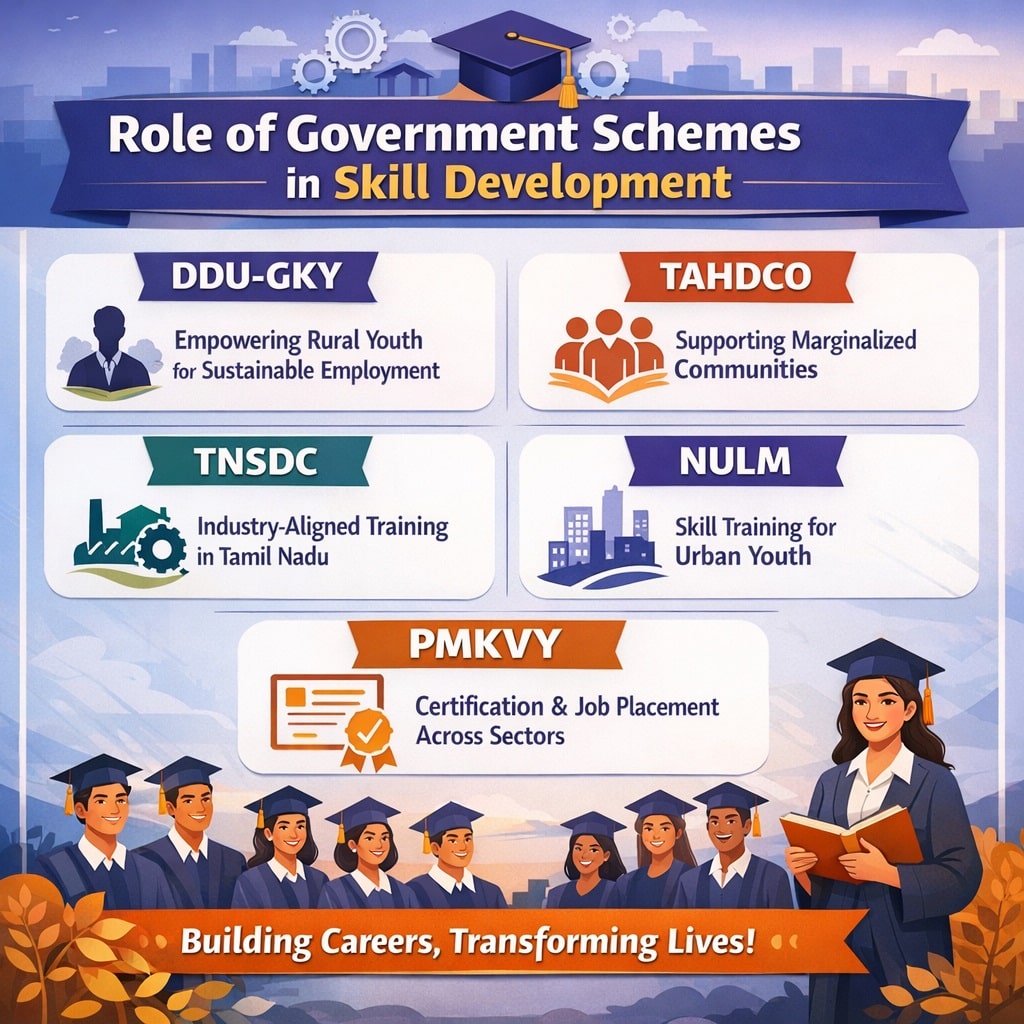
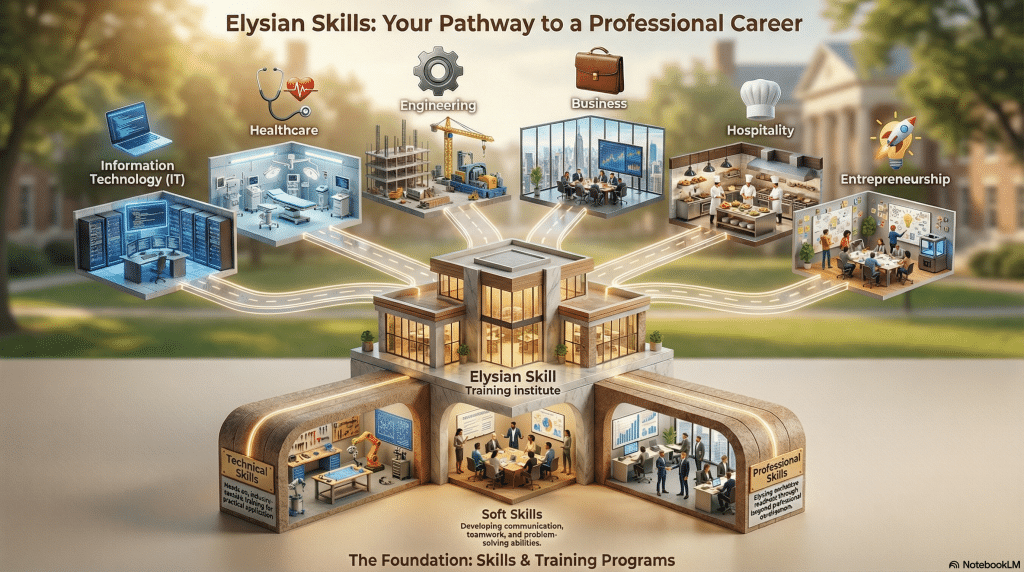
The government is providing training programs that are empowering youth, women, and unemployed people by providing skills that are useful for the industry. These training programs are focused on providing practical knowledge and skills that are useful for a successful career. Elysian Skill Training is providing a platform for people to get access to such valuable training programs by providing training that is aligned with government skill development programs.
If you are looking for a better future and are eager to get new skills, getting registered for free government certification courses is one of the best decisions you can make.
What Are Free Government Certification Courses?
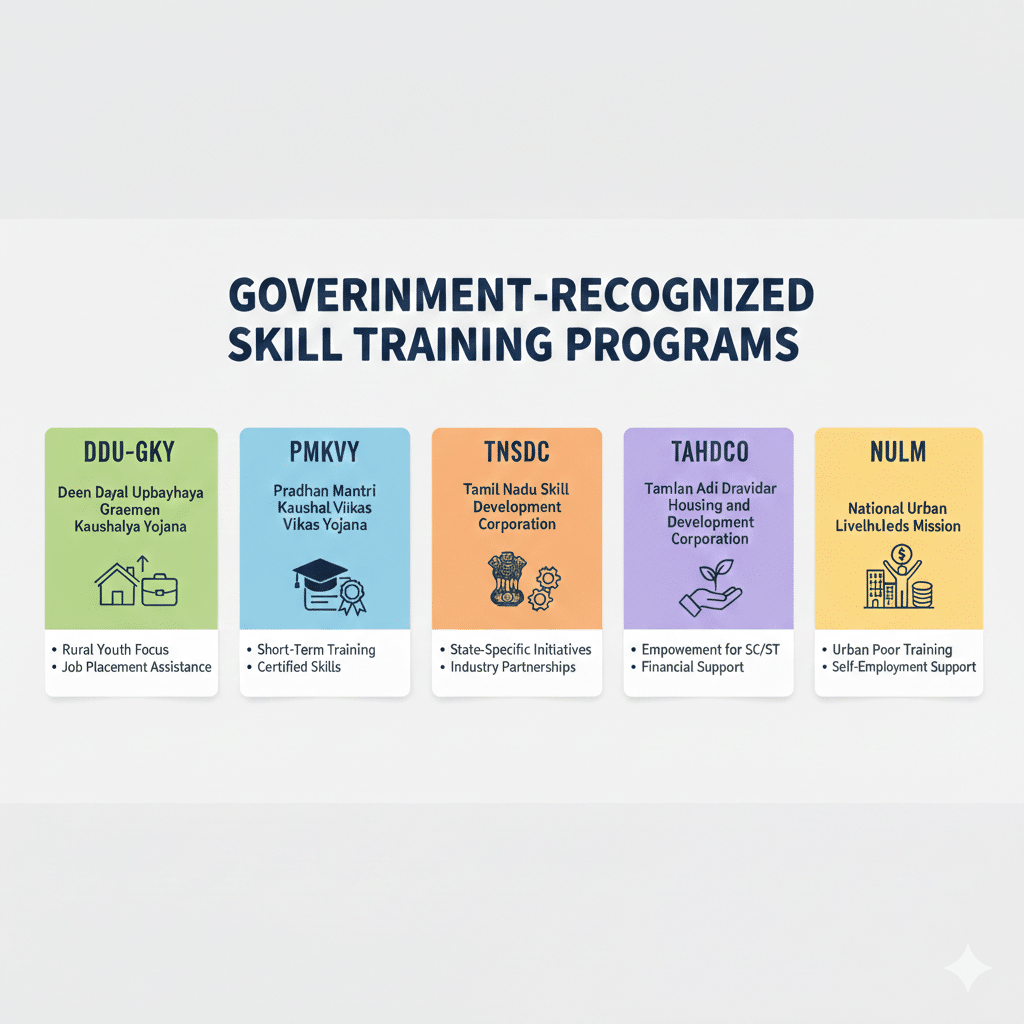
Free government certification courses are training programs sponsored or supported by government initiatives to help individuals gain professional skills. These courses are usually designed to meet industry demands and help people become job-ready.
The main goal of these programs is to reduce unemployment and improve the skill level of the workforce. Students who complete these courses receive recognized certificates that can strengthen their resumes and improve their chances of getting hired.
These courses are especially beneficial for:
- Students who want to develop practical skills
- Graduates looking for career opportunities
- Job seekers who want to upgrade their knowledge
- Women seeking self-employment opportunities
- Rural youth who need access to professional training
Training institutes such as Elysian Skill Training help learners identify suitable programs and guide them through the enrollment process.
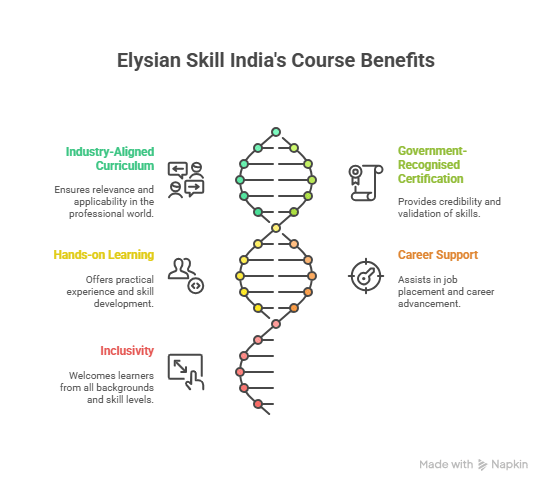
Benefits of Free Government Certification Courses
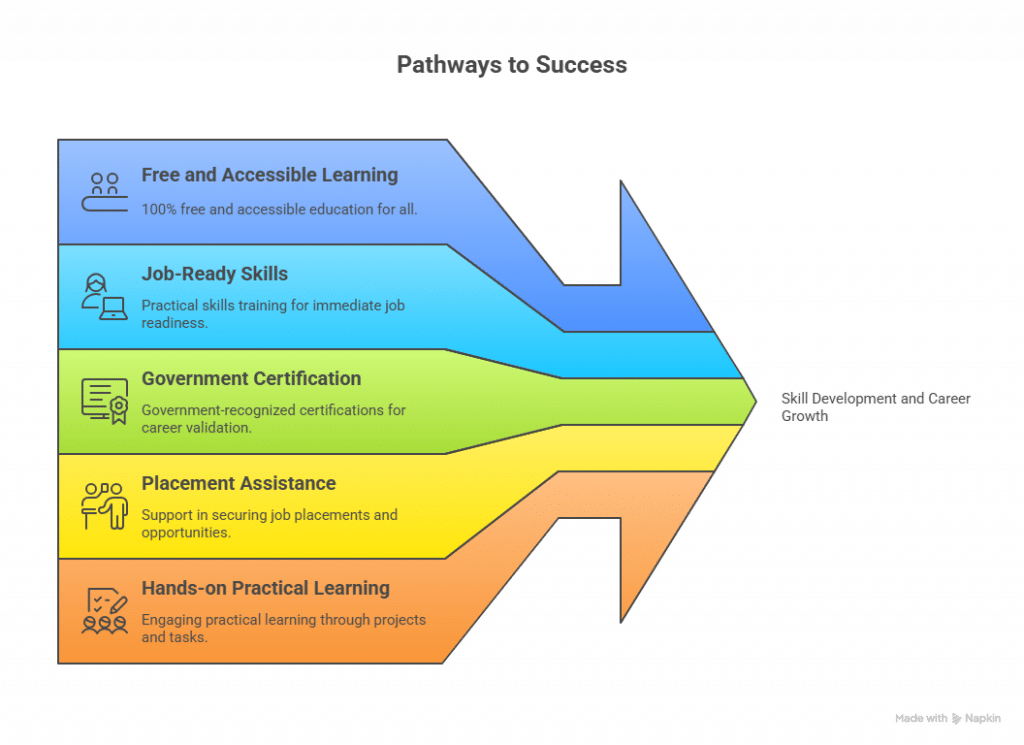
Enrolling in government-supported training programs offers many advantages for learners. These courses are structured to provide both theoretical knowledge and practical experience.
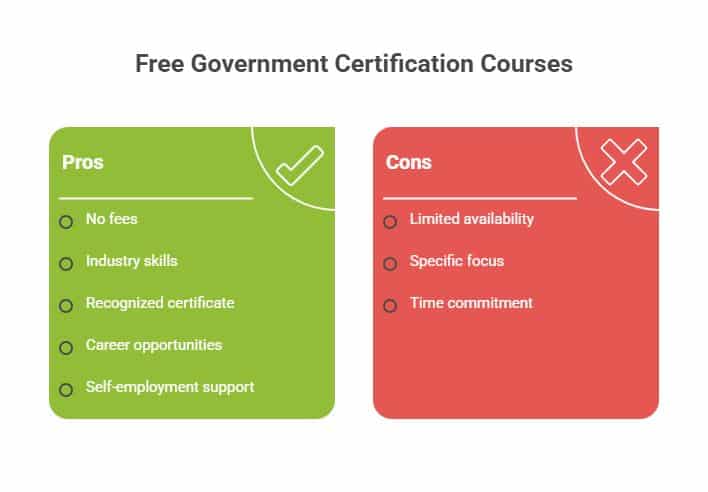
No Course Fees
One of the biggest advantages of free government certification courses is that learners can access professional training without paying expensive tuition fees. Many government skill development initiatives are designed to support students, unemployed youth, and individuals from economically weaker backgrounds.
Because these programs are funded by government schemes, participants can focus on learning valuable skills without worrying about financial barriers. This makes education more inclusive and accessible for people who may not otherwise have the opportunity to pursue professional training. Free courses allow individuals to explore new career paths, gain knowledge, and improve their future prospects without the burden of educational expenses.
Industry-Relevant Skills
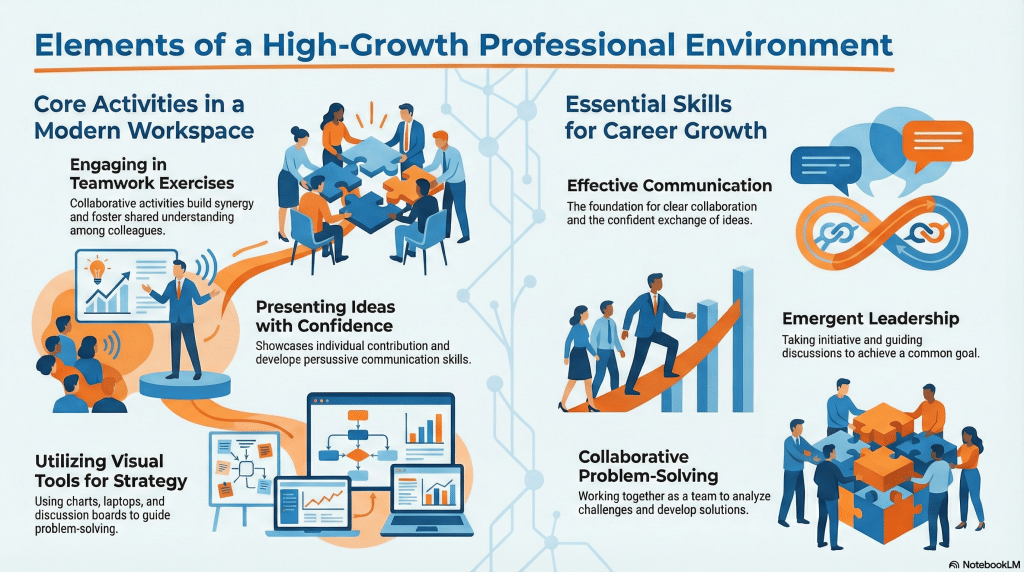
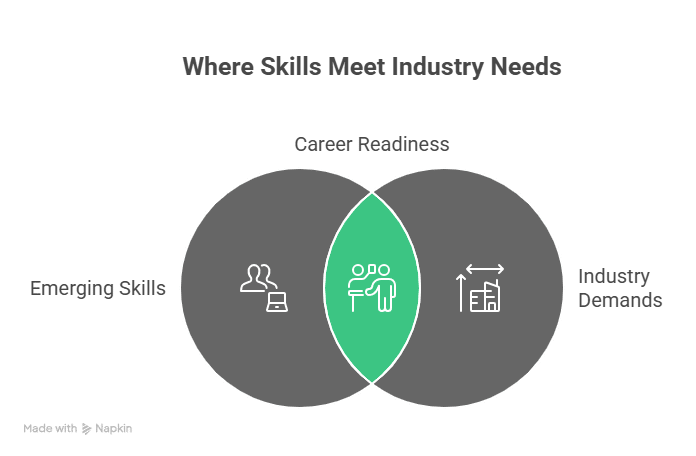
Another important benefit of these programs is that they focus on industry-relevant skills. Government training programs are designed based on current market demands and employment trends. This ensures that the knowledge and skills taught in these courses are aligned with what employers are looking for.
For example, many training programs include practical learning in areas such as computer skills, accounting software, technical trades, and vocational skills. By gaining hands-on experience in these fields, learners become better prepared to enter the workforce. Industry-focused training helps bridge the gap between academic education and practical job requirements, making participants more competitive in the job market.
Recognized Certification
After completing a government certification course, participants receive a recognized certificate that can be added to their resume or professional portfolio. This certification serves as proof that the learner has successfully completed structured training and acquired specific skills.
Employers often value candidates who have additional certifications because it demonstrates commitment to learning and professional development. A recognized certificate can increase credibility during job applications and interviews. It also helps individuals stand out among other candidates, especially when applying for entry-level roles or skill-based positions.
Career Opportunities
Free government certification courses can significantly improve career opportunities for learners. By acquiring practical skills and certification, individuals become better prepared to apply for jobs in various sectors such as administration, retail, technology, and service industries.
Many training programs also include career guidance sessions that help participants understand job roles, prepare resumes, and improve interview skills. Some institutions even provide placement assistance or industry connections to help students find employment. As a result, learners who complete these courses often have a better chance of securing stable and rewarding job opportunities.
Self-Employment Support
In addition to preparing individuals for employment, many government certification courses also encourage entrepreneurship and self-employment. Certain programs focus on vocational and technical skills that allow individuals to start small businesses or work independently.
For example, courses in tailoring, beauty services, crafts, or technical repairs can enable learners to create their own income opportunities. With the right skills and training, individuals can start home-based businesses or offer professional services within their communities. This not only improves financial independence but also contributes to local economic development.
Self-employment opportunities empower individuals to become more confident and self-reliant, making skill training programs an important step toward long-term career success.
Popular Free Government Certification Courses
Various skill development courses are available across multiple industries. These programs help learners develop specialized skills in different sectors.
| Course Name | Skill Focus | Career Opportunities |
| Computer Skills Training | Basic computer operations, MS Office | Office assistant, data entry operator |
| Tally and Accounting | Financial management, accounting software | Accountant, accounts assistant |
| Tailoring and Fashion Design | Garment creation and stitching | Boutique owner, tailoring professional |
| Beautician Training | Beauty and wellness techniques | Salon professional, beauty consultant |
| Electrical and Technical Training | Electrical repair and maintenance | Technician, electrical assistant |
| Digital Skills Training | Online tools, internet usage | Digital assistant, online services |
These courses are designed to equip learners with practical knowledge and improve their employment prospects.
How Free Government Certification Courses Improve Career Opportunities
Skill development plays a major role in improving career prospects. Many employers prefer candidates who have practical training and industry knowledge.

Free government certification courses help learners gain real-world skills that can be applied in professional environments. By completing such programs, students can demonstrate their expertise and commitment to learning.
Institutes like Elysian Skill Training provide structured training programs that focus on hands-on learning, helping participants become confident and job-ready. In addition, free government certification courses help individuals explore multiple career paths. Courses are available in fields such as computer training, accounting, digital skills, technical trades, and vocational training. By learning specialized skills in these areas, students can pursue jobs in offices, service industries, technical sectors, and small businesses.
Training institutes like Elysian Skill Training also support learners by providing guidance, practical training, and career-oriented learning programs. With the right skills and certification, individuals can improve their employability, gain confidence in their abilities, and take meaningful steps toward building a successful and stable career.
Case Study: Transforming Careers Through Skill Training
Background
Ravi, a young graduate from a rural area, struggled to find employment after completing his degree. Although he had academic knowledge, he lacked practical skills required by employers.
The Training
Ravi enrolled in a free government certification course in computer skills through a local training institute. The course covered essential topics such as MS Office, internet applications, and basic digital tools.
The Outcome
After completing the training program, Ravi gained confidence in using technology and applied for office-based jobs. Within a few months, he secured a position as a data entry operator in a private company.
Key Learning
This case highlights how skill development programs can bridge the gap between education and employment. With the right training and certification, individuals can significantly improve their career prospects.
Who Can Enroll in Free Government Certification Courses?
These courses are designed to benefit a wide range of individuals. Eligibility may vary depending on the program, but typically the following groups can apply:
- School and college students
- Final-year graduates
- Job seekers and unemployed youth
- Women interested in professional skills
- Individuals from rural communities
Many free government certification courses are also suitable for individuals who want to upgrade their existing skills or switch to a new career path. Working professionals, small business owners, and individuals looking for better employment opportunities can benefit from these training programs. By learning updated tools, technologies, and practical techniques, participants can improve their productivity and increase their chances of career advancement.
In addition, these programs are highly beneficial for individuals seeking self-employment or entrepreneurship opportunities. Skill-based courses in areas such as computer training, tailoring, beauty services, and technical trades help learners develop the expertise needed to start small businesses or offer professional services. With the guidance of training institutes like Elysian Skill Training, participants can gain the confidence and knowledge required to build a stable and sustainable career.
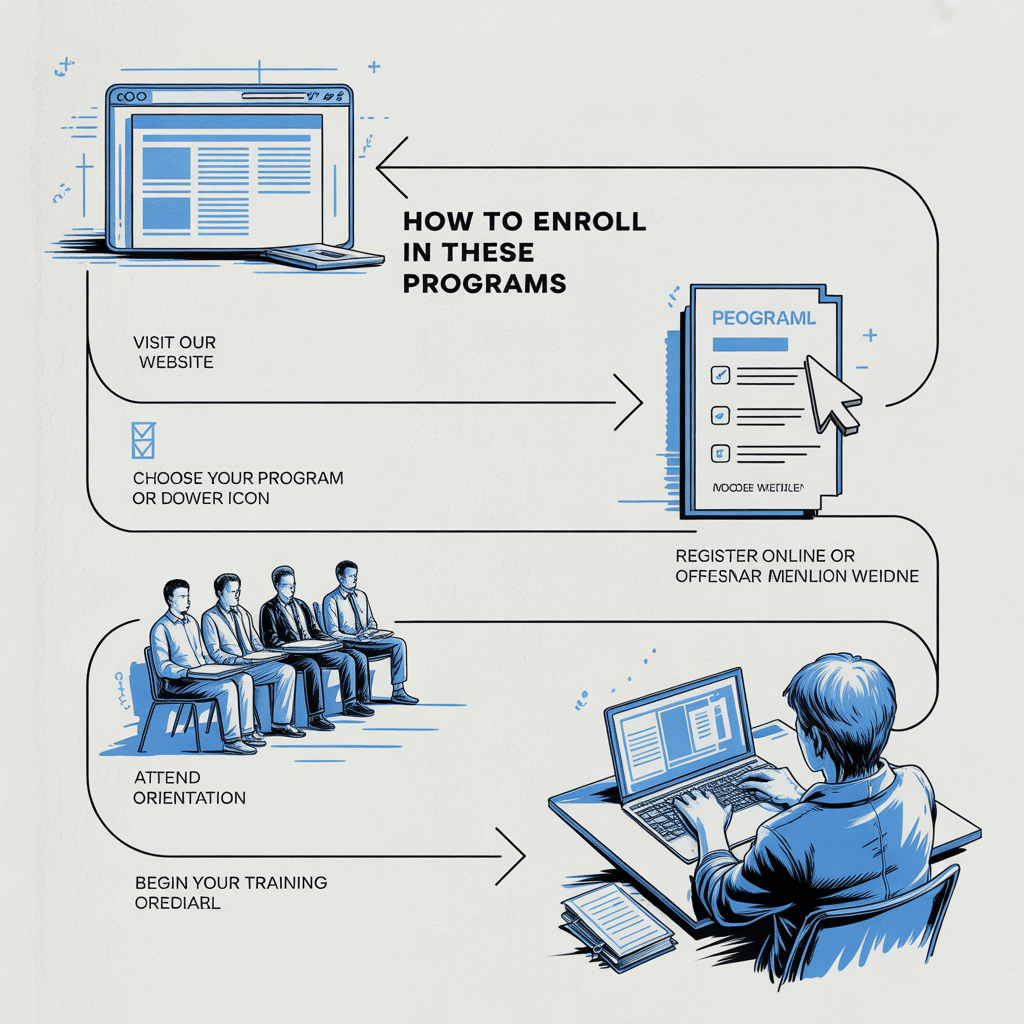
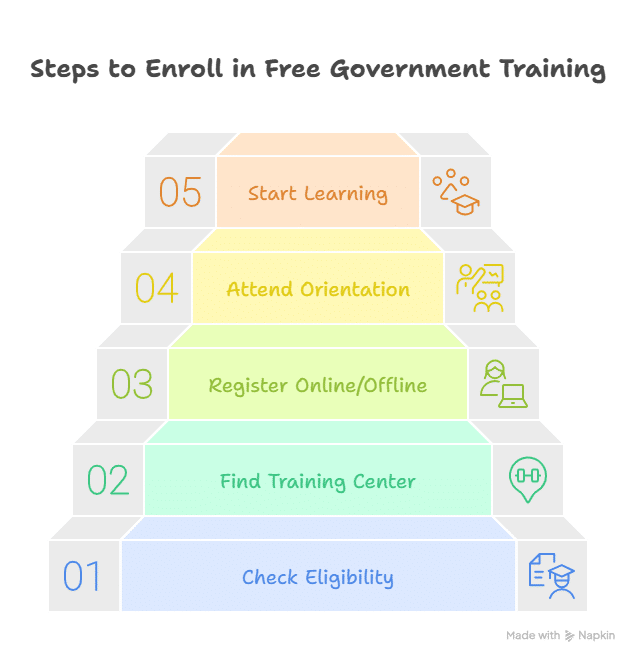
Steps to Enroll in a Free Government Certification Course
If you are interested in joining a skill development program, follow these steps:
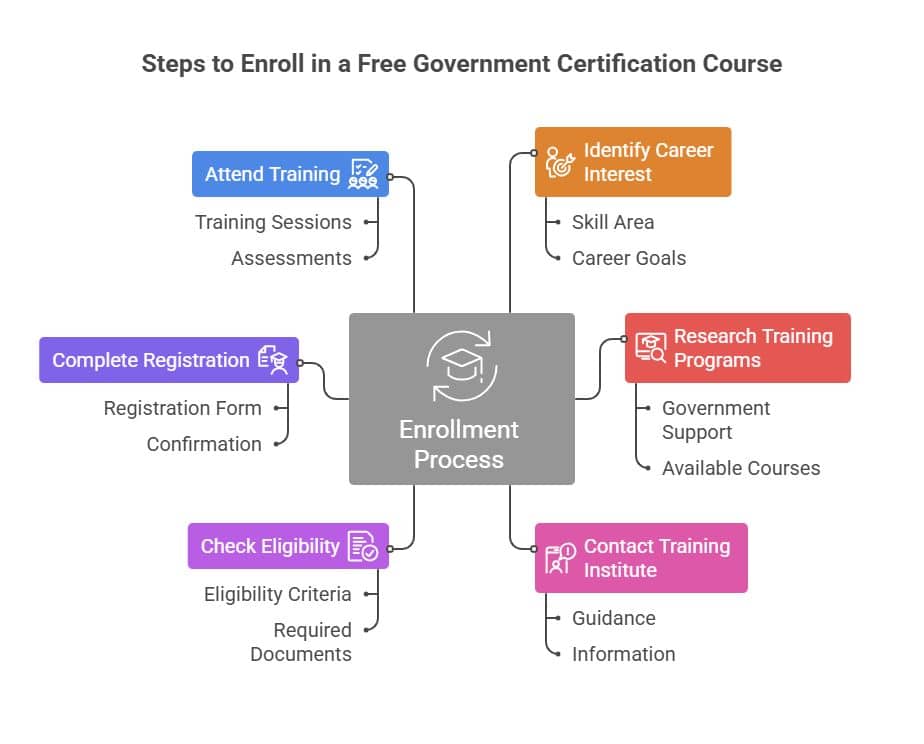
- Identify your career interest or skill area.
- Research available government-supported training programs.
- Contact a recognized training institute for guidance.
- Check eligibility requirements and required documents.
- Complete the registration process.
- Attend training sessions and complete assessments.
After completing the course, participants receive certificates that can help them pursue better career opportunities.
The Role of Skill Training Institutes
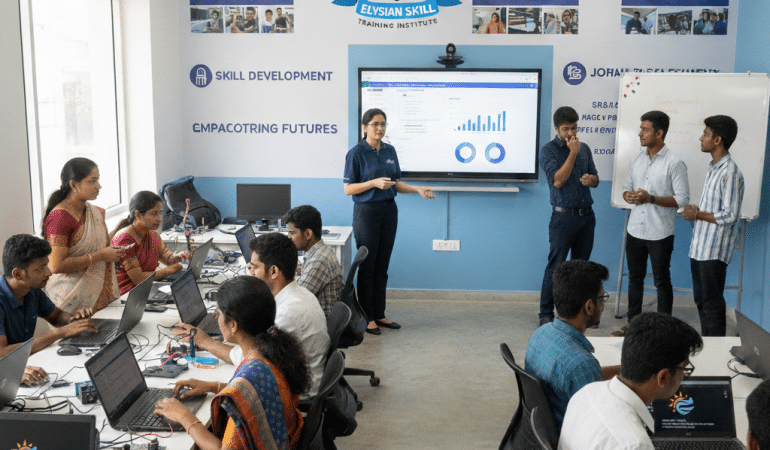
Skill training institutes play an important role in helping individuals gain the knowledge and practical abilities needed for career growth. They create structured learning environments where students can learn through both classroom instruction and hands-on practice. With experienced trainers and industry-focused training methods, these institutes help learners understand real workplace requirements and develop the confidence needed to succeed in competitive job markets.
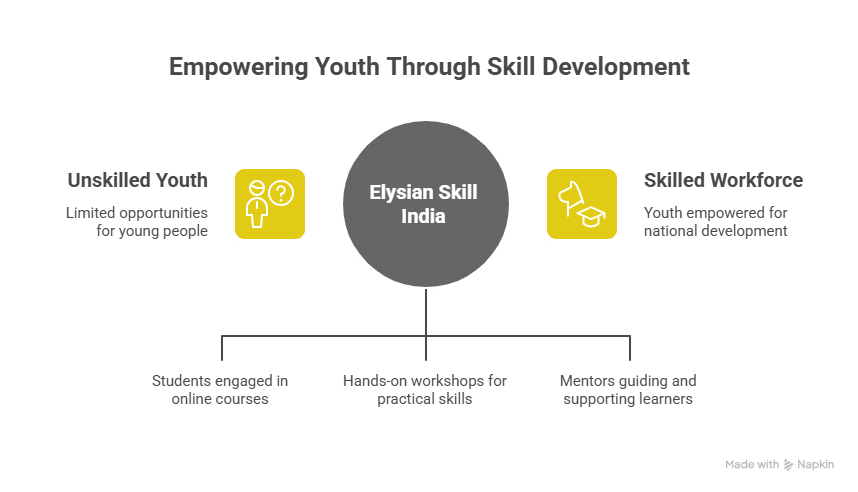
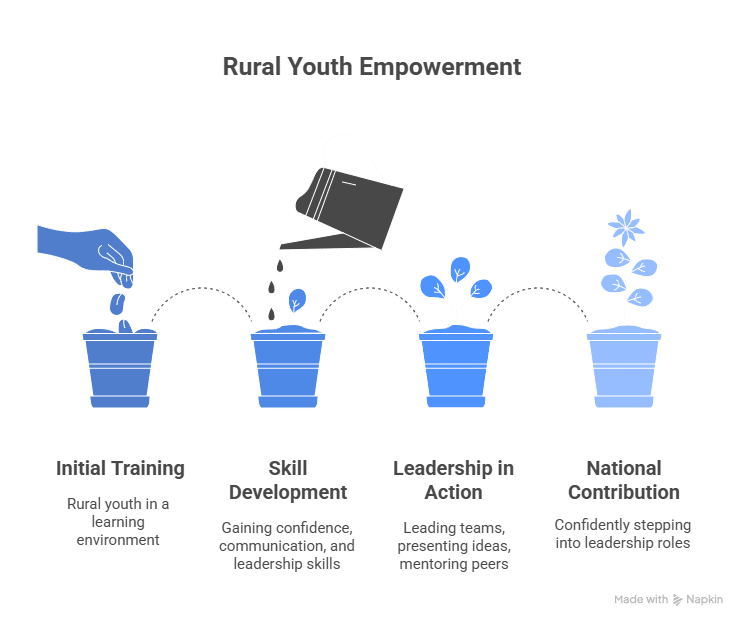
Institutions such as Elysian Skill Training focus on empowering students, job seekers, and rural youth by offering accessible and career-oriented skill development programs. By providing guidance, practical training, and career support, these institutes act as a bridge between government skill development initiatives and individuals who want to improve their professional future.
Key Contributions of Skill Training Institutes
- Structured Learning Programs – Provide organized courses that combine theory with practical training.
- Experienced Trainers – Offer guidance from professionals who understand industry standards and job requirements.
- Hands-On Skill Development – Give learners practical exposure through workshops, projects, and training sessions.
- Career Guidance and Counseling – Help students choose the right career path based on their skills and interests.
- Placement and Employment Support – Assist learners in preparing resumes, interviews, and job opportunities.
- Support for Government Skill Programs – Help candidates enroll in government certification courses and training initiatives.
Through these services, training institutes ensure that learners gain valuable skills, improve their employability, and build stronger career opportunities in various industries.
Conclusion
Free government certification courses are powerful tools for personal and professional development. They provide individuals with valuable skills, recognized certifications, and improved career opportunities.
For students, graduates, and job seekers who want to enhance their abilities and build a successful future, enrolling in these programs can be a life-changing decision. With the support of training institutes like Elysian Skill Training, learners can access structured courses that help them become skilled, confident, and career-ready.
Investing in skill development today can open doors to new opportunities tomorrow. By choosing the right training program, you can take the first step toward a brighter and more secure future.
Frequently Asked Questions
Explore quick answers to frequently asked questions about free government certification courses. Learn about course benefits, eligibility criteria, and how these programs can help you build valuable career skills.
1. What are free government certification courses?
Free government certification courses are skill development programs funded or supported by government initiatives. These courses provide practical training in areas such as computer skills, accounting, technical trades, and vocational skills, helping students and job seekers gain recognized certification and improve their employment opportunities.
2. Who is eligible for free government certification courses?
Eligibility usually includes students, graduates, unemployed youth, women seeking career opportunities, and individuals from rural areas. Some programs may require minimum educational qualifications or age limits depending on the course and the government scheme offering the training.
3. What are the benefits of free government certification courses?
Free government certification courses help learners gain practical skills, improve employability, and earn recognized certificates. Many training institutes, including Elysian Skill Training, guide students in selecting skill programs that match their career goals and industry demands.
4. Are free government certification courses recognized by employers?
Yes, many free government certification courses are recognized by employers because they focus on industry-relevant skills and practical training. Completing these programs can strengthen your resume and increase your chances of getting hired in various sectors.
5. What types of courses are available in government certification programs?
Government certification programs offer a wide range of courses such as computer training, accounting and Tally, tailoring and fashion design, beautician training, electrical technician training, and digital skills. These courses are designed to meet current industry demands.
6. How can I apply for free government certification courses?
You can apply by contacting a recognized skill training institute, checking eligibility criteria, submitting required documents, and completing the registration process. Training centers such as Elysian Skill Training assist candidates with course enrollment, guidance, and skill development opportunities.
7. Do free government certification courses provide job opportunities?
While courses cannot guarantee jobs, they significantly improve employment opportunities by providing practical skills and professional training. Institutes like Elysian Skill Training may also offer career guidance and placement support to help learners begin their professional journey.
8. Why are government skill development courses important?
Government skill development courses help reduce unemployment by equipping individuals with industry-ready skills. They support economic growth by creating a skilled workforce capable of meeting the demands of modern industries.